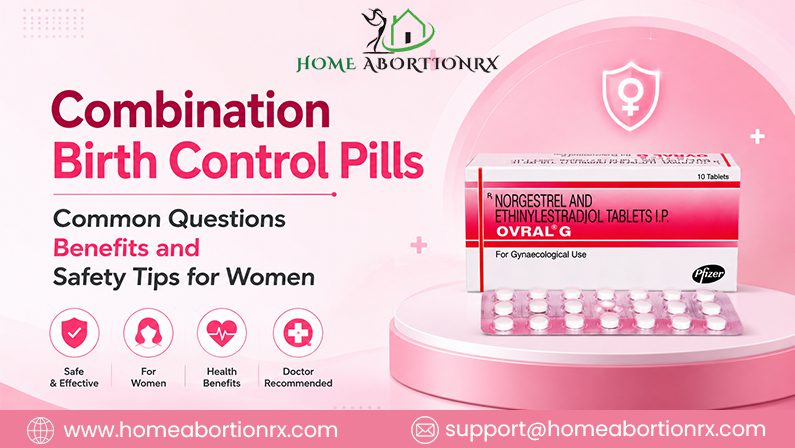
What Are Combination Birth Control Pills and How Does a Combined Oral Contraceptive Pill Work
The combination birth control pills protect against getting pregnant when used regularly as indicated by a healthcare professional. These contain estrogen and progestin that work together in suppression ovulation, thickening cervical mucus, and thinning the endometrial lining.
As a result, a combined oral contraceptive pill keeps you safe from conceiving. The medicine may benefit people who do not want pregnancy to take place. It also helps those with irregular periods, painful cramps during bleeding, and hormonal imbalance related issues like bloating, acne, etc.
Key Takeaways of Combination Birth Control Pills
· Keep in mind the dosage instructions for the medication. Take active pills for 21 days, remain pill-free (active pills) for next 7 days, and begin with a new medicine pack from day 29 to continue preventing the pregnancy.
· In a 28-day pack, from day 22 to 28 inactive pills are taken one each day. This is when withdrawal bleeding may happen. Otherwise, the active pills are taken one everyday at the same time. Do not miss the dose or the pill’s effectiveness will reduce.
· The combined oral contraceptive pill protects against a pregnancy by suppressing ovulation, making the endometrial lining thin to deter implantation, and thicken the cervical mucus to make it hard for sperm to enter the tract.
· There could be temporary side effects to combination birth control pills like dizziness, nausea, stomach upset, spotting between periods, etc. which resolve on their own. In case of severe complications like deep thrombosis, liver injury, etc. seek medical help immediately.
Benefits of Using a Combined Oral Contraceptive Pill for Women
The benefits of combination birth control pills extend beyond preventing a pregnancy:
· It keeps menstrual cycles predictable and regular.
· The pill may manage the bleeding and reduce heavy bleeding, a relief for those who experience heavy flow during their monthly cycle.
· The combined oral contraceptive pill also solves menstruation-related problems like painful cramps, weight changes, bloating, acne, etc.
How to Choose the Right Combined Oral Contraceptive Pill?
While combination birth control pills contain synthetic progestin and estrogen, they may vary in dosage strengths and formulations in regards to other ingredients. Choosing the right pill involves asking about the medication information to the doctor or your pharmacist before making a purchase.
Estrogen intolerant people often choose progestin-only pills rather than combined oral contraceptive pill, or a low dose of the latter. So, opt for the one that suits your lifestyle and health needs. There are 21-day and 28-day packs available. Some pills can be continued for long-term to skip periods altogether for a duration.
How to Take Combination Birth Control Pills for the Best Results?
Here is how to take these medicines:
· Remember to take the pill orally with water at the same time every day. Set alarms, keep a note, or sync the medicine intake with daily habits so that you do not forget.
· If you forget taking the combined oral contraceptive pill, take it as soon as you remember. However, do not take the pill if close to the next dose. Use a condom for the next 7 days.
· Continue with the active pills, one each day – for 21 days. Give an interval of 7 days thereafter or take placebo pills.
· In the inactive pill timeline, you will get withdrawal bleeding. Start with the new medicine pack from day 29 to stay pregnancy-free.
Safety Tips When Using a Combined Oral Contraceptive Pill
Here is more information:
· Some of the side effects to combination birth control pills are nausea, dizziness, stomach upset, irregular bleeding between periods, mood swings, fluctuations in libido, or breast enlargement and tenderness. These are temporary and may occur for the initial 2-3 months.
· The severe but rare side effects that require medical attention are liver injury, deep vein thrombosis, or cardiovascular issues.
· Medications may also reduce the effectiveness of these pills. The interactions include NSAIDs, liver enzyme inducers, spironolactone, St. John’s Wort, and ACE inhibitors.
Common Mistakes to Avoid While Taking Combination Birth Control Pills
Know the things to keep in mind:
· Never miss a dose of combination birth control pills, as it can reduce effectiveness of the medication, causing risk of pregnancy.
· Do not alter the dose or stop the treatment without proper medical guidance.
· Follow the combined oral contraceptive pill dosage and other instructions, interval between active and inactive pill intake, starting the new pack at the correct time.
Combination Birth Control Pills Compared With Other Birth Control Options
When comparing combination birth control pills with mini pills, here are the details to note:
· The mini pills contain the same ingredient, synthetic progestin, and at equal quantities.
· But combined medication for birth control has synthetic estrogen and progestin.
· The regular birth control pills or daily pills need to be consumed every day at the same time.
· However, long-acting birth control does not require daily use. The options include intrauterine devices (hormonal and copper one), shot (injected hormones), skin patch, vaginal rings, etc.
Common Questions About Combined Oral Contraceptive Pill Use
The common queries about combination birth control pills include:
· When the pill starts working – it may take a few hours for the pill to get effective. But final effectiveness matters when during the menstrual cycle you start with the first medicine.
· What to do during travels – if you are traveling or taking a trip elsewhere, carry the combined oral contraceptive pill pack with you so that you can take the pill at the required time. If you miss a dose, use a condom for a week thereafter.
· Do I need follow-up care and checkups – You must see a doctor if you encounter any unusual symptoms. Following up with a healthcare professional regularly at intervals for overall reproductive health check is advisable to know if the pills are working fine.
Making an Informed Choice About Combination Birth Control Pills
If you plan to start with combination birth control pills, keep in mind when to take the pills and for how long, depending on the pack type for 21 or 28 days. The pill delays ovulation, blocks or makes it harder for sperm to travel to the uterus by thickening the cervical mucus, and disallowing implantation by thinning the uterine lining.
Take the combined oral contraceptive pill at the same time every day, so maintain a daily routine to not miss any dose. Consult a doctor for more information. If you want to plan for your family and pregnancy, it is advisable to follow a routine health examination for fertility.
Frequently Asked Questions
Here are the common FAQs about combination birth control pills for women:
1. What are combination birth control pills and how do they work?
The combined oral contraceptive pill does not let ovaries release mature eggs while making the cervical mucus thick to make it difficult for sperm to enter the reproductive tract. Lastly, the medicine makes the endometrial lining thin so that implantation does not happen.
2. What are the benefits of using a combined oral contraceptive pill?
The combination birth control pills prevent a pregnancy as well as manage the menstrual cycle, making these more regular, predictable, less painful, and reducing the problematic symptoms like acne, bloating, etc.
3. What should I do if I miss a combination birth control pill?
If you miss a dose, consume the combined oral contraceptive pill as soon as you remember, but not if you are too close to the next dose. Wear a condom for the next 7 days of missed dose.
4. What are the common side effects of a combined oral contraceptive pill?
The temporary and mild effects that may happen for the first few months are nausea, breast tenderness or enlargement, dizziness, stomach upset, mood swings, spotting between periods, or libido fluctuations.
5. How can I choose the right combination birth control pills for my needs?
To choose the right combined birth control pills, talk to a doctor as the pill must suit your health requirement and lifestyle. Do you prefer daily pills or long-acting birth control – how long do you want to avert menstruation, and other questions need to be answered.
