Choosing the right hormonal birth control can feel overwhelming. With options like the pill, IUD, and implant, it’s important to understand which method is safest, most effective, and fits your lifestyle. Each method works differently, has unique advantages, and suits different health needs. This guide breaks down the key differences so you can make an informed choice.
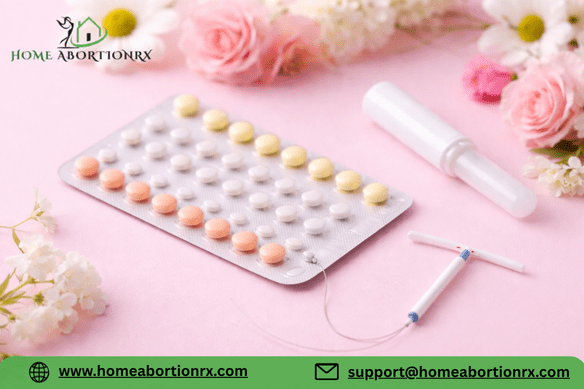
Why Choosing the Right Hormonal Method Matters
Hormonal birth control is not only about preventing pregnancy—it also affects your hormone balance, menstrual cycle, and overall well-being. Choosing the right method ensures:
- Maximum effectiveness with minimal risk of pregnancy
- Convenience that fits your daily life
- Minimal side effects tailored to your body
- Awareness about sexual health and protection against STDs (with additional methods like condoms)
Quick Overview: Pill, IUD, and Implant
| Method | How It Works | Duration | Hormones | Maintenance |
|---|---|---|---|---|
| Pill | Oral hormones (estrogen + progestin or progestin-only) | Daily | Systemic | Must take daily, adherence is key |
| IUD | Small device in the uterus releasing progestin | 3–8 years | Localized | “Set and forget” |
| Implant | Small rod in the arm releasing progestin | Up to 3 years | Systemic | “Set and forget” |
Lifestyle Suitability: Which Fits You Best?
Choosing a method depends on your daily routine, personal preferences, and health considerations:
- Busy or forgetful? → IUD or Implant (no daily action required)
- Want flexibility or control? → Pill (can be stopped anytime, easy to start)
- Looking for a long-term solution? → IUD (up to 8 years)
- Sensitive to hormones or prefer minimal systemic exposure? → Hormonal IUD (delivers hormones locally)
Side Effects & Hormonal Impact
| Method | Common Side Effects | Hormonal Notes |
|---|---|---|
| Pill | Nausea, breast tenderness, mood changes, minor weight fluctuation | Systemic hormone exposure affects the whole body; adherence is key for effectiveness |
| IUD | Spotting initially, lighter periods, occasional cramping | Localized hormone release; lower systemic effect |
| Implant | Irregular bleeding, headaches, mood changes | Systemic hormone exposure; minor fluctuations |
Cost & Convenience
| Method | Upfront Cost | Long-Term Cost | Doctor Visit Needed |
|---|---|---|---|
| Pill | Low | Ongoing monthly | Prescription required |
| IUD | Higher | Cost-effective over years | Required for insertion |
| Implant | Moderate | Very cost-effective over 3 years | Required for insertion |
Additional Pill Considerations
- Combination vs Progestin-only Pills: Know which type suits your health needs.
- Ovulation & Cervical Mucus: Pills prevent pregnancy by stopping ovulation and thickening cervical mucus.
- Adherence Tips: Use reminders, apps, or “pill buddies” to maintain consistency.
- Backup Methods: Condoms recommended in case of missed pills or STD protection.
- Online Access: Telehealth and online pharmacies can provide easy refill options.
Expert Recommendation: Which is Best?
All three methods are safe and effective. Your choice depends on lifestyle, health, and personal preference:
- Most Effective Overall: IUD – Long-term, highly reliable, minimal daily effort
- Best for Flexibility: Pill – Easy to start/stop, control over cycles
- Best for “Set & Forget”: Implant – Highly effective, discreet, low maintenance
Consult your healthcare provider to tailor the choice to your body and medical history.
FAQs About Hormonal Birth Control
- Which hormonal method is safest? All three are safe for most healthy adults. IUD and implant have lower systemic hormone exposure.
- Can I switch between methods? Yes, but consult your doctor about timing.
- How soon does fertility return after stopping? Pill: Usually immediately. IUD/Implant: Fertility returns quickly after removal.
- Which method is best for first-time users? Pill is easy to start, but IUD/implant are ideal for long-term protection without daily effort.
Conclusion
There’s no universal “best” hormonal birth control—it comes down to effectiveness, convenience, side effects, and lifestyle fit.
- Need maximum protection with minimal effort? → IUD or Implant
- Want control and flexibility? → Pill
Choosing the right method empowers you to manage your reproductive health safely and confidently. Speak to your healthcare provider or explore online options to find what suits you best.
Author
Written by Dr. Nicholas Harper, a U.S. Gynecology Practitioner with 3 years experience in reproductive health and hormonal birth control.
